Introduction to Fuel Transportation
The transportation of fuel and petroleum products is one of the most critical and regulated aspects of the oil and gas industry. With India's growing energy demands, the efficient and safe movement of crude oil, refined petroleum products, and natural gas has become paramount to the nation's energy security and economic growth.
This comprehensive guide explores the regulatory framework, safety standards, and best practices that govern fuel transportation across India, with particular focus on railway-based transport—one of the most efficient modes for bulk fuel movement.
Key Insight: Railways account for approximately 30% of all petroleum product transportation in India, making it a vital logistics channel for the oil and gas industry.
Regulatory Framework & Compliance
The transportation of hazardous materials, including petroleum products, is governed by multiple regulatory bodies and legislation in India. Understanding these regulations is essential for any organization involved in the oil and gas supply chain.
Key Regulatory Bodies
- Petroleum and Explosives Safety Organisation (PESO): Oversees safety standards for petroleum storage and transportation
- Ministry of Railways: Regulates railway-based transportation of dangerous goods
- Directorate General of Mines Safety (DGMS): Ensures safety in oil exploration and extraction operations
- Central Pollution Control Board (CPCB): Monitors environmental compliance during transportation
- Oil Industry Safety Directorate (OISD): Develops standards for oil industry operations
Primary Legislation
The Petroleum Act, 1934 and Petroleum Rules, 2002 form the backbone of petroleum transportation regulation in India. These are supplemented by the Indian Railways Act, 1989 which specifically addresses the movement of dangerous goods by rail.
Railway Transportation Rules
Indian Railways has established specific guidelines for the transportation of petroleum products. These rules cover everything from tank wagon specifications to loading/unloading procedures, route clearances, and emergency response protocols.
Tank Wagon Specifications
All tank wagons used for petroleum transportation must conform to the specifications laid down by the Research Designs and Standards Organisation (RDSO). Key requirements include:
- Stainless steel or mild steel construction with appropriate lining
- Pressure relief valves and emergency venting systems
- Anti-static grounding provisions
- Proper labeling and hazard identification markings
- Regular inspection and certification cycles
Safety in fuel transportation is not just a regulatory requirement—it is a moral obligation to protect communities, the environment, and the workforce that keeps India's energy infrastructure running.
Loading & Unloading Procedures
Standardised procedures must be followed during loading and unloading to prevent spills, vapour releases, and fire hazards. This includes ensuring proper earthing, maintaining correct flow rates, and having trained personnel present at all times.
Safety Standards & Protocols
Safety is the cornerstone of all fuel transportation operations. Multiple layers of safety protocols ensure that risks are minimized and emergency response is swift and effective.
Pre-Transit Safety Checks
- Inspection of tank integrity and valve functionality
- Verification of proper labeling and documentation
- Weather and route condition assessment
- Communication system testing
- Emergency equipment inventory check
Emergency Response Planning
Every transportation operation must have a comprehensive Emergency Response Plan (ERP) that addresses potential scenarios including spills, fires, derailments, and environmental contamination. Key elements include:
- 24/7 emergency coordination centers
- Mutual aid agreements with local fire services
- Spill containment equipment at strategic locations
- Regular emergency drills and training exercises
- Environmental monitoring and remediation capabilities
Environmental Considerations
Environmental protection is increasingly central to fuel transportation planning. Modern transportation systems incorporate multiple safeguards to prevent and mitigate environmental damage.
Environmental Fact: Modern double-hull tank wagons reduce the risk of product leakage by over 95% compared to older single-hull designs.
Pollution Prevention Measures
Best practices for minimizing environmental impact during fuel transportation include the use of vapour recovery systems during loading operations, double-containment systems for transit, and comprehensive spill response capabilities positioned along major transportation routes.
Carbon Footprint Reduction
The oil and gas industry is making significant strides in reducing the carbon footprint associated with transportation. Railway transport is inherently more efficient than road transport, producing approximately 75% fewer emissions per ton-kilometer transported. Companies like Dude Oil Field Services are committed to sustainable practices and continuously evaluate their transportation methods.
Industry Best Practices
Leading operators in the fuel transportation sector adhere to a set of best practices that go beyond regulatory minimums to ensure the highest standards of safety and efficiency.
Technology Integration
Modern fuel transportation operations leverage technology extensively. GPS tracking, SCADA systems, and IoT sensors provide real-time monitoring of shipment conditions, including temperature, pressure, and location data. This allows for proactive intervention before issues escalate.
Personnel Training
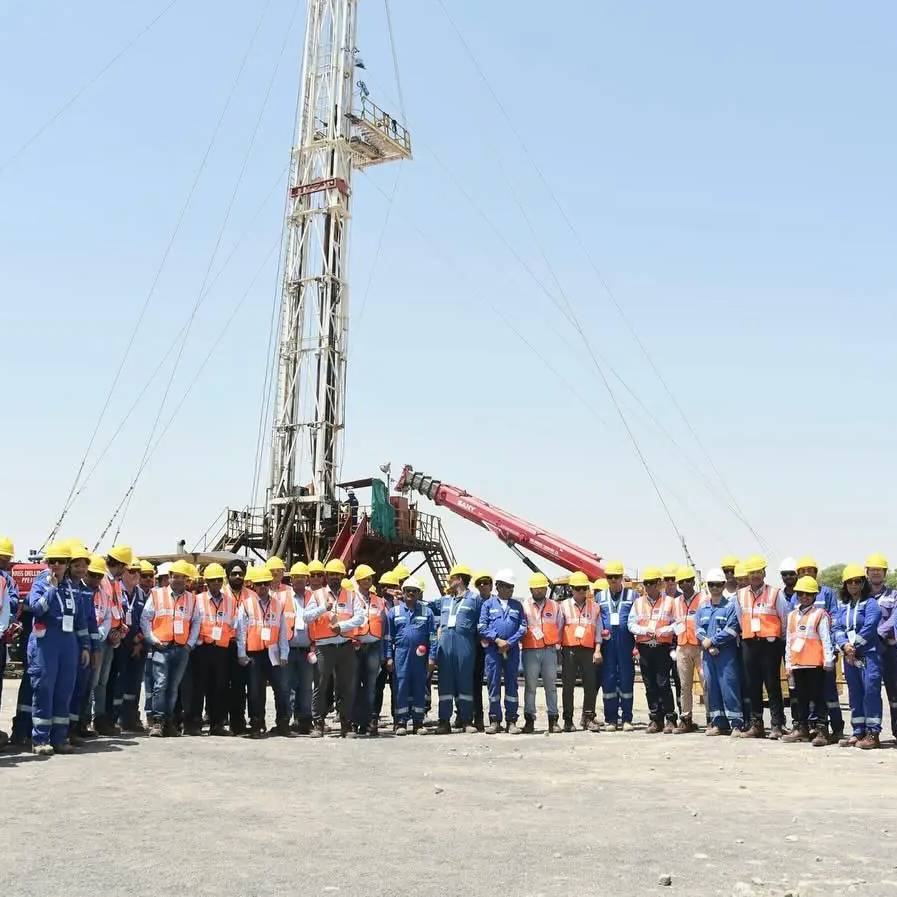
Comprehensive training programs for all personnel involved in fuel transportation are essential. This includes not only technical training on equipment and procedures but also safety awareness, environmental responsibility, and emergency response preparedness. Dude Oil Field Services ensures all crew members undergo rigorous training before deployment on any transportation operation.
Conclusion
Fuel transportation via railways remains a critical component of India's energy infrastructure. As the industry evolves, the regulatory framework, safety standards, and environmental protections continue to advance, supporting safer and more efficient operations. Companies that embrace these standards and invest in people, technology, and processes will lead the industry into a more sustainable future.
At Dude Oil Field Services, we are committed to maintaining the highest standards in all aspects of our operations, including the safe and efficient transportation of petroleum products. For inquiries about our services or to discuss how we can support your transportation needs, please contact our team.